Polish Expert
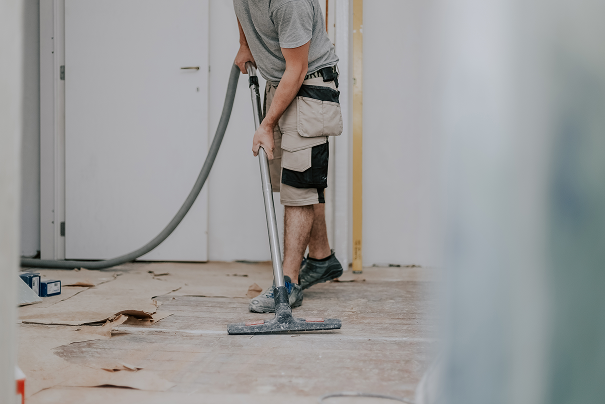
Post-renovation deep cleaning is an intensive, specialized process designed to remove construction dust, paint spills, and grime, restoring a home to pristine, habitable condition. It involves systematic high-to-low dusting,, sanitizing surfaces, and polishing fixtures to eliminate fine particulates, ensuring a hygienic, move-in-ready, and polished finish.
Deep cleaning and finishing are the final, multi-phase steps in a home renovation that transform a construction site into a liveable space. This process typically unfolds in three distinct stages: Rough Cleaning, Detailed Cleaning, and Final Finishing/Polishing.
1. Deep Cleaning Phases
Post-renovation deep cleaning is much more intensive than regular maintenance, focusing on removing fine construction dust, adhesives, and paint splatters.
- Rough Cleaning (Pre-Installation):
- Debris Removal: Clearing large waste like wood scraps, drywall pieces, and nails.
- Dust Mitigation: Initial sweeping and heavy-duty vacuuming of all surfaces to prepare for final trade work like flooring or painting.
- Sticker Removal: Peeling protective films and labels from newly installed windows, doors, and appliances.
- Light/Detailed Cleaning (The “Deep Clean”):
- Top-to-Bottom Dusting: Meticulously wiping ceilings, walls, light fixtures, and ceiling fans to catch fine particles.
- Cabinetry & Built-ins: Cleaning the interior and exterior of all kitchen and bathroom cabinets, including hinges and tracks.
- Wet Cleaning: Thoroughly scrubbing tiles, grout lines, and countertops with specialized agents to remove residue and stains.
- HEPA Vacuuming: Using industrial-grade HEPA filters to capture microscopic dust that standard vacuums recirculate.
2. Finishing & Polishing Description
This phase is the “final touch” intended to showcase new materials and ensure everything is pristine for move-in.
- Polishing Surfaces:
- Flooring: Buffing hardwood or tile joints and potentially applying protective coatings (like wax or vinyl seals) to restore original luster.
- Fixtures: Polishing stainless steel sinks, chrome faucets, and door hardware to remove fingerprints and water spots.
- Glass: Detailed cleaning of mirrors and windows with streak-free solutions for maximum clarity.
- Final Touch-Ups:
- Detail Inspection: Walking through the space with a fine-toothed comb to address minor smudges or missed spots on baseboards and window sills.
- Air Quality: Using air purifiers and replacing HVAC filters to eliminate lingering odors and airborne particulates.
Essential Tools
Professional-level results often require more than standard household supplies:
- Equipment: Wet/dry vacuums, steam cleaners for grout, floor scrubbers/buffers, and microfiber cloths.
- Agents: pH-balanced wood cleaners, specialized adhesive removers, and eco-friendly disinfectants.
These guides offer a step-by-step approach to post-construction cleaning, detailing the rough clean, detailed clean, and final polish phases for a pristine home.
Deep cleaning and finishing are the critical final stages that transform a hazardous construction site into a polished, move-in-ready home. This multi-phased process requires specialized techniques and industrial-grade equipment to manage fine “silica dust,” which is abrasive and potentially harmful if inhaled.
The Three Progressive Cleaning Phases
To prevent rework, professionals follow a strict top-to-bottom sequence so that falling dust does not settle on already-cleaned surfaces.
- Phase 1: Rough Cleaning (Debris Removal)
This initial stage focuses on safety and accessibility. Crews clear large construction waste such as drywall scraps, wood fragments, and discarded packaging. It includes sweeping up heavy dust and removing protective films and stickers from new windows and appliances. - Phase 2: Light Cleaning (Deep Detailing)
This is the most labor-intensive stage. It involves meticulously vacuuming every vertical and horizontal surface, including walls, ceilings, and the insides of cabinets and drawers. Special attention is paid to “dust traps” like air vents, light fixtures, and ceiling fans. High-touch areas like doorknobs and electrical outlets are sanitized. - Phase 3: Final Cleaning (Presentation Touch-Up)
Conducted several days after the light clean to allow airborne particles to settle, this phase eliminates final smudges and fingerprints. It ensures a “move-in ready” standard by re-wiping surfaces and checking for missed spots in corners and crevices.
Finishing and Polishing Techniques
Finishing work provides the final aesthetic “shine” that highlights the quality of your renovation.
- Floor Restoration: Different materials require specific treatments to restore their luster. Hardwood may be buffed and treated with wood-safe polish, while tiles often require the removal of “grout haze”—a stubborn cloudy residue left after tiling—using specialized acidic or pH-neutral cleaners.
- Fixture Polishing: Stainless steel sinks, chrome faucets, and cabinet hardware are polished to remove manufacturing oils and construction grime. Glass surfaces and mirrors are cleaned with streak-free solutions to ensure maximum clarity.
- Surface Refinement: This includes removing paint splatters from floors or windows using plastic scrapers and solvents, as well as lifting adhesive residues left by protective tapes.
Specialized Tools for Post-Renovation Success
Standard household tools are often insufficient for the volume of construction dust.
- HEPA Vacuums: Industrial-grade vacuums with HEPA filters are essential for capturing microscopic silica dust rather than redistributing it into the air.
- Microfiber Systems: Microfiber cloths and mops are used because they trap fine particles more effectively than traditional cotton rags.
- Air Scrubbers: High-capacity air purifiers are often deployed for 24–48 hours to scrub the air of lingering pollutants before occupancy.
These articles provide a step-by-step breakdown of post-construction cleaning phases and essential tools.
Deep cleaning and finishing after a renovation are multi-step processes designed to remove hazardous silica dust and construction residues while showcasing new installations.
Systematic Post-Renovation Cleaning Phases
To ensure thorough results, the process typically follows three distinct phases:
- Rough Cleaning: This initial stage focuses on removing large construction debris, scrap packaging (like plastic wrap or wood fragments), and heavy dust. It prepares the space for final trade touch-ups and initial surface visibility.
- Light/Detailed Deep Clean: The most labor-intensive phase, involving a top-to-bottom approach where ceilings, walls, and light fixtures are cleaned first to prevent falling dust from re-contaminating lower areas. It includes meticulous HEPA vacuuming of all surfaces and scrubbing the interior/exterior of all cabinetry and appliances.
- Final Touch-Up: Conducted several days after the deep clean, this phase allows any remaining airborne particles to settle before a final “presentation” wipe-down of all smudges, fingerprints, and fine grit.
Surface-Specific Finishing & Polishing
Finishing work restores the original luster of materials and protects them from long-term damage caused by abrasive grit.
- Flooring & Tile: Professional floor scrubbers or buffers are used to remove “grout haze” (a cloudy residue left after tiling) and restore the shine of wood or tile.
- Fixtures & Hardware: Stainless steel, chrome, and brass fixtures are polished using specialized agents like WD-40 to remove manufacturing oils, adhesive residues, and water spots.
- Glass & Mirrors: High-level polishing with streak-free solutions and microfiber cloths ensures mirrors and newly installed windows are perfectly clear.
- Walls & Woodwork: Painted surfaces are wiped with damp microfiber to remove static-charged dust without creating streaks.
Critical Safety & Air Quality Actions
Post-construction dust can contain harmful particulates like silica that irritate the lungs.
- Air Scrubbing: Deploying high-capacity air purifiers with HEPA filters is essential to capture microscopic particles.
- HVAC Maintenance: Replacing furnace and air conditioning filters immediately after cleaning prevents the redistribution of dust through the home’s ventilation.
- Hazard Removal: A final walkthrough identifies and removes sharp objects like overlooked nails or screws that may have been hidden under dust.
Specialized Professional Tools
For the most effective results, specific industrial-grade equipment is recommended:
- HEPA-Filtered Vacuums: Standard vacuums often recirculate fine dust; industrial HEPA models capture particles as small as 0.3 microns.
- Industrial Scrubbers: Tools like the
provide mechanical scrubbing power for stubborn grout stains or bathroom surfaces.
- Microfiber Systems: Microfiber is scientifically superior at trapping fine debris rather than spreading it.