Plumbing New Pipeline Expert
Address: India
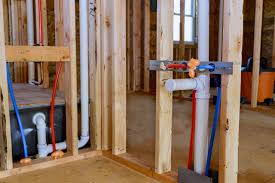
New plumbing installation in new construction involves designing and installing a complete, from-scratch system comprising water supply lines, drainage/venting (DWV), and fixtures. It occurs in three main stages—underground/rough-in, top-out, and trim-out—ensuring efficient water flow, proper venting, code compliance, and leak-free performance.
Key Stages of New Plumbing Installation
- Phase 1: Underground & Rough-in Plumbing: Occurs after framing. Plumbers install main sewer lines, underground pipes, drain-waste-vent (DWV) pipes, and water supply lines within walls and floors. This stage is crucial for securing pipe placement before walls are closed.
- Phase 2: Top-Out/Above-Ground Plumbing: Involves installing vertical pipes, connecting branch lines to the main system, and installing bathtubs or showers.
- Phase 3: Trim-Out & Final Installation: Occurs after interior finishes (drywall, tiles) are complete. Plumbers install final fixtures: toilets, sinks, faucets, and appliances (dishwashers, water heaters).
Components and Testing
- Supply and Drainage: Installation of water supply lines and drain/vent pipes.
- Inspection: The system is tested for leaks using pressure tests before final approval.
- Components: Includes pipes, valves, fittings, vents, toilets, and sinks.
Key Considerations
- Code Compliance: All installations must meet local building codes to ensure safety and function.
- System Design: Proper layout ensures optimal water pressure and efficient flow.
- Protection: Contractors often use temporary covers to protect pipes during construction